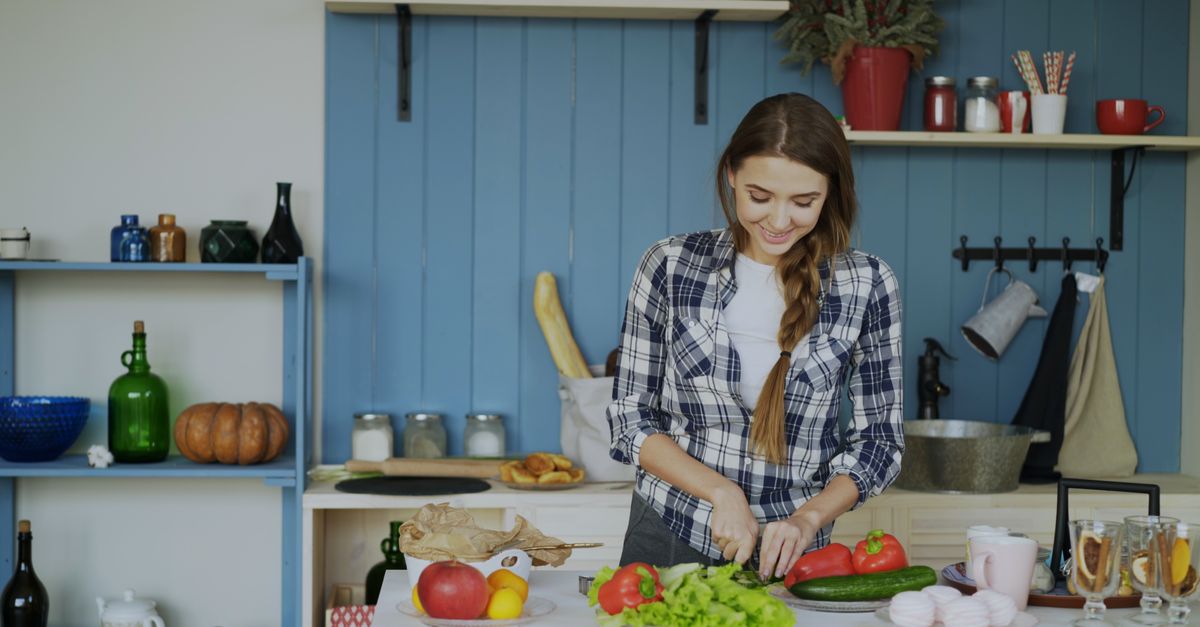
You’ve seen the glossy cooking shows: a chef, calm and collected, pre-portioned ingredients meticulously arranged in small bowls, every knife sharp, every cutting board clean. That’s mise en place in its idealized form. You tell yourself, “I’ll do that!” You pull out all your ingredients, chop a few things, maybe measure some spices, and then… the counter is buried, you’ve used every small bowl you own, and you’re still scrambling to find the garlic when the onions are already browning. Instead of feeling like a culinary maestro, you feel like you’ve added an extra layer of chaos to your cooking routine.
I’ve been there. For years, I approached mise en place with a mental checklist: get everything out, chop, measure. What I didn’t realize was that I was only scratching the surface, missing the underlying philosophy that transforms it from a chore into a superpower. The mistake I see most often, and one I made myself, is treating mise en place as a one-size-fits-all, pre-cooking activity rather than an integrated workflow. It’s not just about what you do before you start cooking; it’s about how you think and organize throughout the entire process. Without that crucial understanding, you’re just creating more dishes and more mental load.
This isn’t about rigid rules; it’s about intelligent preparation that genuinely simplifies your cooking. I’m going to share the core principles that changed everything for me, moving mise en place from a concept I admired to a skill I truly mastered, making my cooking faster, less stressful, and far more enjoyable.
Key Takeaways
- True mise en place is an integrated workflow, not just a pre-cooking chore that adds dishes.
- Prioritize a clean, organized workspace before and during cooking to reduce mental clutter and stress.
- Group and sequence ingredients logically according to cooking steps, rather than chopping everything at once.
- Master the “dynamic mise” — preparing ingredients just-in-time while other components cook, not all upfront.
The “Everything Out” Fallacy: Why Batch Chopping Isn’t Always Your Friend
The most common misinterpretation of mise en place is the idea that you must chop absolutely everything before you even turn on the stove. While this works beautifully for a professional chef with a dedicated prep cook and an endless supply of pristine containers, it often backfires spectacularly in a home kitchen. Think about it: you’re making a stir-fry. If you chop all your broccoli, carrots, bell peppers, and chicken, and then dice your garlic and ginger, you’ve easily filled half a dozen bowls. By the time you start cooking, your counter is a graveyard of little dishes, and some ingredients (like the garlic) might have started to dry out or lose their pungency.
The real problem here isn’t the act of chopping; it’s the timing and sequencing. When I started cooking more complex meals, I realized that some ingredients need to be prepped much earlier than others, while some can be prepped literally minutes before they hit the pan. For example, if you’re making a braised dish that starts with searing meat and then slowly sautéing aromatics for 15 minutes, there’s no need to have your final herbs chopped until much later. Trying to chop everything at once often leads to an overwhelming amount of small tasks at the beginning, then a lull, and then a mad dash to clean up. This approach drains your energy before you even get to the exciting part of cooking.
What changed everything for me was shifting my focus from “all at once” to “just in time.” I now categorize my prep into three main groups: long-lead prep (things that can be done hours or even a day ahead, like marinating meat or making a stock), primary prep (the core ingredients needed for the first 10-15 minutes of cooking, like onions, garlic, and main proteins), and dynamic prep (ingredients that can be prepped while other things are cooking, such as chopping herbs while onions sweat, or slicing vegetables while meat sears). This mental model drastically reduced the initial counter clutter and made the entire cooking process feel far more fluid and less intimidating.
The Unseen Benefit: A Clean Workspace as a Cognitive Aid
When most people think of mise en place, they focus on the ingredients. But what about the space? In my experience, a cluttered workspace is a cluttered mind. Trying to cook in a kitchen surrounded by dirty dishes, ingredient packaging, and forgotten tools isn’t just inefficient; it’s mentally exhausting. You’re constantly fighting for space, searching for tools, and navigating obstacles, which inevitably leads to mistakes and increased stress.
What I’ve learned is that the most powerful element of mise en place isn’t just prepping ingredients; it’s prepping your environment. Before I even pull out a single cutting board, I ensure my sink is empty, my countertops are wiped down, and my dishwasher is ready to be loaded. This isn’t just about hygiene; it’s about creating a clear mental and physical space to work. When you don’t have to think about where to put a discarded onion skin or a used measuring cup, your brain is free to focus on the actual cooking.
Throughout the cooking process, I practice what I call “clean-as-you-go.” This means immediately washing or rinsing tools and placing them in the dishwasher, wiping down spills as they happen, and consolidating waste. For instance, I always keep a “garbage bowl” (a medium bowl dedicated to food scraps and packaging) right next to my cutting board. This simple habit keeps my main workspace clear, prevents multiple trips to the trash can, and makes post-meal cleanup dramatically faster. It’s a small change, but the reduction in mental friction and the sheer pleasantness of working in a clean space is profound. It’s about respecting your kitchen as a workspace, not just a storage area.
The Power of Logical Grouping: Thinking Beyond Individual Bowls
Many home cooks fall into the trap of prepping each ingredient into its own dedicated small bowl, because that’s what they see on TV. While this can work for very specific, distinct components, it’s often overkill and impractical for a home kitchen, leading to an unnecessary pile of dishes. Imagine a recipe that calls for diced onions, minced garlic, and grated ginger to be added to the pan sequentially within seconds of each other. Does each really need its own bowl?
What truly elevates mise en place is logical grouping and sequencing. Instead of individual bowls for every ingredient, I often group ingredients that will be added to the pan at the same time or within a very short interval. For example, for those onions, garlic, and ginger, I might chop the onion, then mince the garlic and ginger, and simply push them together on the same cutting board, ready to be scraped into the pan. Or, if I’m making a dish with two distinct vegetable additions, say carrots and celery first, then bell peppers and zucchini, I’ll group them accordingly in two separate bowls or sections of a large plate. This reduces dish count by 50% or more without sacrificing organization.
This principle extends beyond physical grouping. It’s about mentally sequencing your recipe. Before I even pick up a knife, I read through the entire recipe, mentally picturing each step. I identify what needs to be chopped, measured, or mixed, and in what order. I then consider which ingredients can share a space on the cutting board or in a bowl. This might sound like extra work, but it’s a form of active meditation that saves immense time and stress during the actual cooking. It means you’re not constantly re-reading or panicking about the next step; you’ve already visualized the flow.
The Dynamic Mise: Prepping While You Cook
This is perhaps the most advanced, yet most effective, form of mise en place for the home cook. The static, all-at-once approach often creates dead time: you spend 30 minutes prepping, then 20 minutes cooking. The dynamic mise, however, integrates prep into the cooking process, leveraging the natural pauses and downtimes that occur in almost every recipe. This is what truly differentiates efficient home cooks from those who feel overwhelmed.
Consider a recipe that starts with browning chicken for 8-10 minutes. While that chicken is searing, do you just stand there watching? Absolutely not. This is prime dynamic mise time. I use these 8-10 minutes to: mince the garlic, dice the onion, measure out the broth, or even chop the herbs for the final garnish. By the time the chicken is browned and resting, my aromatics are ready to go into the pan. This continuous workflow means less overall time spent in the kitchen and a much smoother, less rushed cooking experience.
The key to mastering dynamic mise is to understand your recipe’s timeline. Identify the “idle” periods: simmering times, oven preheating, meat resting, or even just the few minutes it takes for water to boil. During these moments, tackle the next set of ingredients. This isn’t about rushing; it’s about smart multitasking. It takes practice to know how much you can comfortably accomplish without burning something or losing track, but once you get the hang of it, your kitchen productivity will skyrocket. This approach fundamentally shifts mise en place from a separate activity to an integral, ongoing part of the cooking process, turning those moments of waiting into moments of efficient preparation.
Rethinking Equipment: Less is More (and Smarter)
Another common pitfall I’ve observed (and often fallen into myself) is thinking that mise en place requires an arsenal of specialized equipment: dozens of tiny ramekins, multiple cutting boards, and an endless supply of kitchen towels. While certain tools are invaluable, an excess of them can actually hinder efficiency by cluttering your space and increasing cleanup.
My perspective on equipment for mise en place has evolved to a “less is more, but smarter” approach. Instead of a dozen tiny bowls, I opt for 3-4 medium-sized bowls (6-8 inches) that can hold multiple grouped ingredients or a larger quantity of a single ingredient. For example, a single 8-inch bowl can comfortably hold chopped onions, garlic, and ginger side-by-side. I also rely heavily on just one or two large cutting boards, which provide ample space for chopping and consolidating without feeling cramped. A single high-quality chef’s knife and a sharp paring knife are usually all I need for most prep tasks.
Crucially, I also invest in tools that simplify prep. A good set of measuring spoons and cups that nest together, a sturdy microplane for zest and hard cheeses, and a quality peeler are far more useful than a drawer full of single-use gadgets. The mistake most people make is buying into the idea that more tools equal better mise en place. In reality, it’s about having the right tools and knowing how to use them effectively to minimize fuss and maximize your workspace. It’s about making deliberate choices about what truly aids your efficiency versus what merely adds clutter to your drawers and dish pile.
Frequently Asked Questions
What is the absolute minimum I need for effective mise en place?
The absolute minimum for effective mise en place is a clean, uncluttered workspace, a sharp knife, a sturdy cutting board, and a small dedicated “garbage bowl” for scraps. Beyond that, a few medium-sized bowls (rather than many small ones) are incredibly versatile for grouping ingredients.
How do I stop myself from creating too many dirty dishes with mise en place?
The key is logical grouping and dynamic prep. Instead of individual bowls for every ingredient, group ingredients that are added at the same time onto a single plate or into one bowl. Additionally, actively clean and rinse tools as you go, immediately putting them in the dishwasher, to prevent a mountain of dishes at the end.
Should I prep vegetables before I prep meat, or vice versa?
It’s generally best to prep vegetables first, especially if they don’t require immediate refrigeration. This allows you to use the same cutting board and knife for vegetables, then clean them thoroughly, and then move on to raw meat. This minimizes the risk of cross-contamination and allows you to keep your workflow linear and sanitary.
What if my recipe is very complex and I have dozens of ingredients to prep?
For highly complex recipes, break the mise en place into logical stages or components. For example, prep all ingredients for the sauce first, then for the main protein, then for the side dish. Consider doing some of the less perishable prep (like making stocks or chopping hard vegetables) the day before. The “dynamic mise” becomes even more crucial here, using cooking downtime to tackle the next set of components.
How can I make mise en place a habit if I’m short on time?
Start small. Focus on just two things: clearing your workspace before you begin and having a dedicated garbage bowl. Once those are habits, try incorporating dynamic prep by tackling one small chopping task during a passive cooking stage (like while water boils). Consistent small efforts build into significant time savings and reduced stress over time.
In my kitchen, mise en place isn’t a rigid set of rules; it’s a flexible framework that supports efficient and enjoyable cooking. It’s about clarity of purpose and intentionality, transforming kitchen chaos into culinary calm. By understanding that it’s an ongoing process, not just a preliminary chore, you’ll find yourself cooking with more confidence, less stress, and truly savoring the process. Start with a clean slate, group smart, and leverage those idle moments, and you’ll discover the true power of an organized kitchen. Your future self (and your sparkling clean countertops) will thank you.