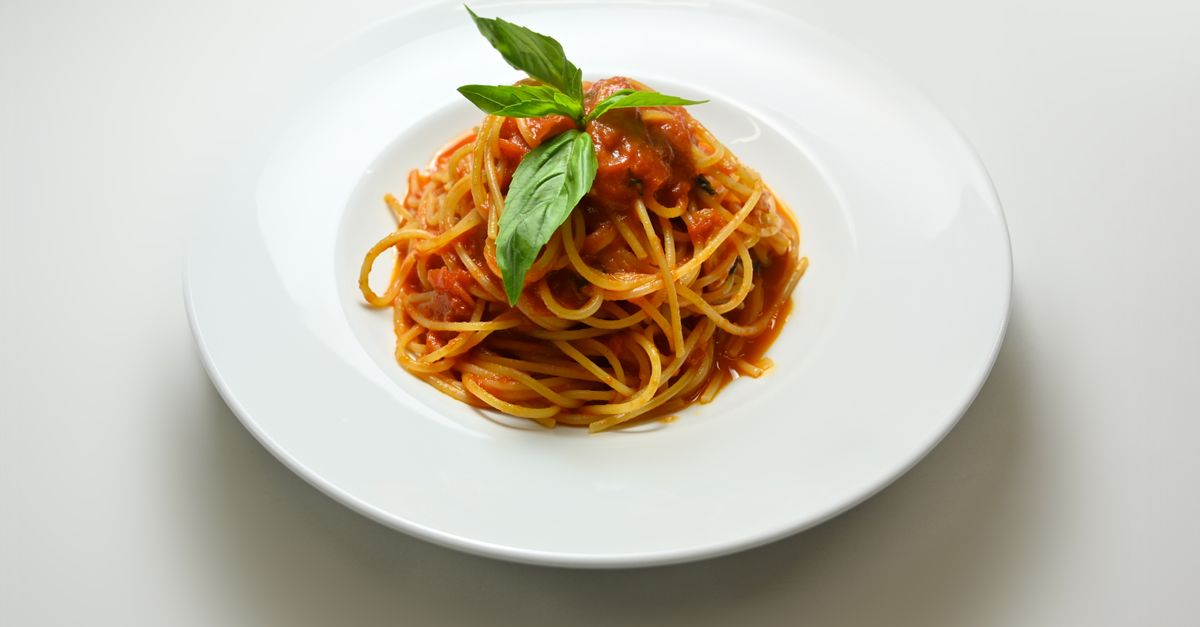
Have you ever lovingly simmered a pot of homemade pasta sauce all afternoon, only to find it tastes… flat? You’ve got ripe tomatoes, fresh basil, perhaps even some good olive oil, but it still lacks that rich, nuanced depth you crave from your favorite Italian restaurant. It’s a common culinary frustration, one I hear from home cooks all the time. You follow a recipe, use good ingredients, and yet the magic just isn’t there. It feels like a fundamental disconnect between effort and outcome.
In my years developing recipes and exploring flavor profiles, I’ve pinpointed the most common pitfalls that rob homemade pasta sauce of its potential. It’s rarely about a single missing ingredient, but rather a series of overlooked techniques that, when applied consistently, transform a good sauce into a truly memorable one. We’re not talking about obscure, complicated steps; these are accessible, impactful shifts that will elevate your pasta game permanently. Forget those watery, acidic, or simply bland sauces – it’s time to unlock the rich, savory, and perfectly balanced flavor you’ve been dreaming of.
Key Takeaways
- Many homemade pasta sauces lack depth due to insufficient browning of aromatics and improper tomato cooking.
- Building a foundational flavor base with deeply caramelized ingredients is more crucial than adding extra herbs and spices.
- Using concentrated tomato products strategically and cooking out their raw flavor is a game-changer for richness.
- The right balance of acidity, sweetness, and savoriness, achieved through specific techniques, defines a truly restaurant-quality sauce.
Overlooking the Power of the ‘Soffritto’ Base
The biggest mistake I see most often in home cooks trying to make a deeply flavorful pasta sauce is rushing the initial sauté of aromatics, or worse, skipping a proper soffritto entirely. A soffritto—the Italian foundation of finely diced onion, carrot, and celery, gently cooked in olive oil—is not just a suggestion; it’s the cornerstone of flavor for countless Italian sauces. What truly changed everything for me was understanding that it’s not enough to just soften these vegetables; you need to deeply caramelize them.
Many recipes will tell you to simply ‘sauté until translucent’ or ‘cook for 5-7 minutes.’ While this is fine for some dishes, for a rich pasta sauce, it’s a missed opportunity. The natural sugars in the onions, carrots, and celery need time, low heat, and patience to break down and brown. This browning, known as the Maillard reaction, creates hundreds of new flavor compounds that are incredibly complex, savory, and sweet. Without it, your sauce will always taste underdeveloped.
Actionable Insight: Dedicate at least 15-20 minutes (sometimes even 30 for a larger batch) to cooking your finely diced soffritto over medium-low heat in a generous amount of good olive oil. The goal is a deep, golden-brown color on the onions, with the carrots and celery softened and their flavors concentrated. Stir frequently, but don’t rush it. If the pan gets too dry, add a splash of water or broth, scrape up any browned bits (this is called deglazing, and it’s liquid gold), and continue cooking until the liquid evaporates. This slow, deliberate caramelization will inject an incredible depth of umami and sweetness that no amount of added sugar or herbs can replicate. Think of it as building flavor in slow motion; it’s an investment that pays off exponentially in the final dish.
Mismanaging Your Tomatoes: Too Much Water, Not Enough Concentration
The second critical error is how most home cooks approach the actual tomatoes. Whether you’re using fresh, canned crushed, or whole peeled, the common issue is a lack of concentration. Often, sauces end up watery and acidic because the tomatoes haven’t been cooked down sufficiently, or the wrong type of tomato product is used without proper adjustment.
When you add tomatoes, especially canned whole or crushed, they contain a significant amount of water. This water needs to evaporate for the tomato flavor to intensify and sweeten. Simply simmering for 20 minutes won’t cut it for a truly rich sauce. Furthermore, many people grab diced tomatoes thinking they’re a good base, but diced tomatoes are often firmer, retain their shape, and release less juice, leading to a chunkier, less cohesive sauce with less concentrated flavor.
Actionable Insight: After your soffritto is perfectly caramelized, add a small amount of concentrated tomato paste. This is a non-negotiable step for me. Instead of just stirring it in, push the soffritto to one side of the pan, add the tomato paste to the clear spot, and cook it directly on the hot surface for 3-5 minutes, stirring constantly, until it deepens in color to a brick-red and begins to stick slightly. This crucial step toasts the paste, caramelizing its sugars and intensifying its deep, umami-rich tomato flavor, effectively cooking out its raw, metallic taste. Then, incorporate it with your soffritto.
Once your paste is cooked, add your main tomato component. If using canned whole peeled tomatoes (my preference for superior flavor and texture), crush them by hand or with a potato masher directly in the pot. Then, simmer your sauce, uncovered, for a minimum of 45 minutes to an hour (or even two!), stirring occasionally, allowing the excess water to evaporate. The sauce should visibly thicken and deepen in color. The longer it simmers, the more the flavors meld and concentrate, resulting in a naturally sweeter, less acidic, and more robust sauce. A good visual cue is when the oil starts to separate slightly from the tomatoes around the edges of the pot.
Neglecting Acidity and Seasoning Balance
A sauce can have all the rich, deep flavors in the world, but if it’s not balanced, it will still fall flat. Many home cooks tend to season at the end, or only with salt and pepper, missing the crucial interplay of sweet, savory, and especially acidity. A common complaint about homemade sauce is that it’s too bland or too acidic, and often, it’s a lack of understanding how to manipulate these elements.
Acidity brightens a sauce, cutting through richness and preventing it from tasting heavy. Without enough, a sauce can taste dull. With too much, it becomes sharp and unpleasant. Sweetness, often found naturally in well-cooked tomatoes, balances acidity. And, of course, salt is essential for enhancing all flavors, but it needs to be added strategically throughout the cooking process, not just at the final tasting.
Actionable Insight: Think about balancing your sauce actively. After your tomatoes have simmered for a good while, taste it rigorously. Does it taste bright, or does it need a lift? A splash of red wine (cooked down thoroughly after adding), a bit of fresh lemon juice, or even a tiny amount of apple cider vinegar can provide that missing acidic punch. If it’s too acidic, a pinch of sugar (start small, like 1/2 teaspoon) can mellow it out, enhancing the natural sweetness of the tomatoes without making the sauce overtly sweet.
Furthermore, season throughout. Add a good pinch of salt and pepper after cooking the soffritto, another after the tomato paste, and then adjust slowly during the long simmer. Don’t wait until the very end to salt. This layering of seasoning allows flavors to integrate more deeply. A secret weapon for savory depth? A Parmesan rind tossed into the simmering sauce. It slowly releases incredible umami and subtle saltiness over time. Just remember to remove it before serving.
Undercooking the Meat Component (If Applicable)
If you’re making a meat sauce like a Bolognese or a simple meat sauce, the way you brown your meat is paramount. This ties directly back to the soffritto principle: browning equals flavor. The mistake I frequently observe is people overcrowding the pan, leading to steamed, gray meat instead of beautifully browned, caramelized crumbles.
Steaming the meat prevents the Maillard reaction from occurring, which means you’re missing out on a massive layer of savory, robust flavor that is essential for a truly satisfying meat sauce. The juices released by overcrowded meat also thin out your sauce and prevent proper concentration later on.
Actionable Insight: When browning ground meat (beef, pork, or a combination), do it in batches if necessary. Use a heavy-bottomed pot or Dutch oven and ensure it’s sufficiently hot before adding the meat. Don’t overcrowd the pan. Allow the meat to cook undisturbed for several minutes until a deep, dark crust forms on one side before breaking it up and flipping. Repeat until all sides are well-browned. This takes patience, but the difference in flavor is astounding. After browning, drain off any excessive fat, leaving just a thin layer for flavor. The dark, fond bits stuck to the bottom of the pan are flavor gold – make sure to scrape them up when you add your soffritto or deglaze with wine or broth.
Not Allowing Flavors to Marry and Mellow
Many home cooks, eager to enjoy their creation, serve pasta sauce immediately after it finishes simmering. While certainly edible, this is a significant oversight. Like a good stew or chili, pasta sauce vastly improves after a period of rest, and even more so the next day. The flavors need time to integrate, soften, and become more cohesive. Freshly cooked, the flavors can be a bit harsh or disjointed.
This phenomenon, often called ‘flavor marrying’ or ‘mellowing,’ is due to various chemical reactions continuing even after the heat is off. Acids temper, spices bloom further, and the overall profile smooths out into something far more harmonious.
Actionable Insight: If at all possible, make your pasta sauce a day ahead. Allow it to cool completely, then refrigerate it overnight. The next day, gently reheat it over low heat, adding a splash of water or broth if it’s too thick. You’ll be amazed at how much richer, deeper, and more balanced the flavors have become. The wait is worth it. If you can’t wait a full day, even letting it rest for an hour off the heat before serving will make a noticeable difference. During this rest, the sauce continues to gently cook and its components settle into a more harmonious blend.
The Final Touch: Fresh Herbs and Finishing Fats
Finally, the way a sauce is finished can make or break its perceived depth and freshness. Many people add all their herbs at the beginning of the simmer, or neglect a crucial finishing fat, leaving the sauce tasting one-dimensional.
Delicate fresh herbs lose their vibrancy and flavor when cooked for too long. They should be added at specific points to contribute their best. And a high-quality finishing fat adds gloss, richness, and rounds out the flavor profile.
Actionable Insight: Reserve fresh basil, parsley, or oregano to add mostly at the very end of the cooking process, or even just before serving. A small amount of heartier herbs like dried oregano or thyme can go in earlier to build a base, but the bright, fresh notes should come from fresh additions late in the game. Stir in a generous handful of chopped fresh basil just before tossing with pasta. Also, consider finishing your sauce with a swirl of high-quality extra virgin olive oil or a pat of butter. This adds a luxurious mouthfeel and a nuanced richness that elevates the entire dish. These finishing touches aren’t just for show; they actively contribute to the complexity and overall satisfaction of a truly restaurant-quality pasta sauce. A final grating of fresh Parmesan or Pecorino Romano also provides an immediate hit of salty, nutty umami that completes the experience.
Frequently Asked Questions
Q1: Can I use fresh tomatoes instead of canned? If so, how do I get the same depth?
A1: Absolutely, but it requires more effort and specific timing. Fresh, ripe, in-season tomatoes (like San Marzanos or Romas) can be fantastic. To achieve depth, you’ll need to peel and deseed them, then slowly cook them down for a much longer period than canned tomatoes to evaporate their high water content and concentrate their flavor. Roasting fresh tomatoes before adding them to the sauce can also enhance their sweetness and complexity, mimicking some of the depth of cooked canned tomatoes.
Q2: My sauce is always too acidic. How do I fix it without making it sweet?
A2: The first step is proper concentration through simmering, as described above. Well-cooked tomatoes are naturally sweeter. If it’s still too acidic, ensure you’ve cooked your tomato paste thoroughly. Beyond that, a small pinch of baking soda can neutralize acidity without adding sweetness, but use it very sparingly (a quarter teaspoon at most for a large pot) as too much can give a soapy taste. Alternatively, a Parmesan rind simmered in the sauce or a swirl of butter at the end can help balance and mellow acidity.
Q3: What’s the best way to store leftover pasta sauce?
A3: Once cooled completely, transfer your sauce to airtight containers. It will keep in the refrigerator for up to 5 days. For longer storage, pasta sauce freezes beautifully. Portion it into freezer-safe containers or bags (leaving some headspace if using containers), and it will last for 3-4 months. Thaw overnight in the refrigerator or gently reheat from frozen on the stovetop.
Q4: Should I add sugar to my pasta sauce?
A4: Generally, no, if you follow the techniques outlined here. Properly cooked soffritto and thoroughly reduced tomatoes will provide natural sweetness that balances acidity. If your sauce is still too acidic after long simmering and a well-cooked tomato paste, a tiny pinch of sugar (1/2 teaspoon at a time) can help round out the flavor, but it should be a last resort, not a default ingredient. The goal is balance, not overt sweetness.
Q5: How important is good olive oil for pasta sauce?
A5: Very important, especially at the beginning and end. For the soffritto, use a good quality extra virgin olive oil that you enjoy the flavor of, as it forms the initial flavor base. For finishing the sauce, a drizzle of high-quality, flavorful extra virgin olive oil adds a fresh, peppery, or fruity note that significantly elevates the overall taste and mouthfeel. It’s a worthwhile investment.
Embracing these shifts will fundamentally change your homemade pasta sauce for the better. It’s about building layers of flavor with patience and understanding, rather than just combining ingredients. Start by dedicating real time to your soffritto, concentrate your tomatoes effectively, balance your flavors, and don’t forget those crucial finishing touches. Your efforts will be rewarded with a sauce so rich and complex, your friends and family will swear you’ve been hiding an Italian nonna in your kitchen. So, grab your finest ingredients, take a deep breath, and prepare to elevate your pasta night to an entirely new level.