You’re standing in the grocery aisle, faced with a wall of cooking oils: olive, avocado, canola, coconut, grapeseed, vegetable blend. Each claims to be healthy, heart-friendly, or perfect for high heat. You grab the one you’ve always used, or perhaps the one that was on sale, hoping for the best. But what if I told you that many of the fats commonly touted as ‘healthy’ are actually doing more harm than good in your kitchen, especially when used for everyday cooking? What if the very act of choosing an oil based on its ‘lightness’ or ‘versatility’ is precisely where most home cooks stumble, leading to less flavorful food and potentially compromising its nutritional value?
I’ve spent countless hours in the kitchen, not just cooking, but experimenting, researching the science behind ingredients. And in my experience, the mistake I see most often isn’t a lack of desire to cook healthy, but a fundamental misunderstanding of how different fats behave under heat and interact with our bodies. It’s not enough to simply know a fat is ‘monounsaturated’ or ‘polyunsaturated’; you need to understand its smoke point, its oxidative stability, and its fatty acid profile. Getting this wrong doesn’t just impact the crispness of your roasted vegetables or the sear on your steak; it profoundly affects the healthfulness of your entire meal. Let’s dig into why your current fat choices might be subtly undermining your efforts and what actually works to cook truly delicious, healthy food.
Key Takeaways
- Prioritize saturated and monounsaturated fats with high oxidative stability for most high-heat cooking to prevent harmful compound formation.
- Avoid polyunsaturated-rich seed oils (canola, corn, soy) for high-heat applications due to their rapid oxidation and potential for inflammation.
- Focus on unrefined, cold-pressed oils for flavor and nutrient retention in dressings and low-heat dishes.
- Understand a fat’s smoke point in conjunction with its oxidative stability; a high smoke point alone doesn’t guarantee a healthy cooking fat.
The Misconception of ‘Vegetable Oils’ and High-Heat Cooking
Walk into almost any kitchen, and you’ll likely find a large bottle of ‘vegetable oil,’ ‘canola oil,’ or ‘grapeseed oil’ prominently displayed, often next to the stove. The marketing often champions these as light, versatile, and heart-healthy. But here’s the stark reality: these highly refined seed oils are, in my opinion, one of the biggest culprits in modern cooking’s health dilemma. The mistake I see most often is people reaching for them for searing, frying, or roasting, precisely the applications where they perform the worst from a health perspective.
Why? It comes down to their chemical structure. These oils are predominantly composed of polyunsaturated fatty acids (PUFAs), particularly omega-6 linoleic acid. While essential in moderation, PUFAs are highly unstable when exposed to heat, light, and oxygen. This instability means they oxidize rapidly, creating harmful compounds like aldehydes and trans fats, which can contribute to inflammation and oxidative stress in the body. The industrial process used to extract these oils (high heat, chemical solvents like hexane, bleaching, and deodorizing) already compromises their integrity even before they reach your pan. For example, a study published in Food Chemistry found that even moderate heating of certain seed oils led to the formation of significantly more toxic compounds than more stable fats. What changed everything for me was realizing that a fat’s smoke point, while important, is not the sole indicator of its suitability for high-heat cooking. Many seed oils have a high smoke point, but their low oxidative stability means they’re silently degrading and producing harmful byproducts long before they visibly smoke.
Why Smoke Point Isn’t the Only Metric That Matters
For years, I, like many home cooks, was taught that an oil’s smoke point was the ultimate determinant for cooking applications. If you’re pan-frying, choose an oil with a high smoke point; if you’re making a salad dressing, a low smoke point is fine. This advice, while not entirely wrong, is severely incomplete and often misleading. A fat’s smoke point is merely the temperature at which it starts to produce a continuous stream of bluish smoke, indicating that its components are breaking down and burning. However, what’s more critical for health is oxidative stability – an oil’s resistance to reacting with oxygen and forming harmful free radicals, especially at cooking temperatures.
Consider refined avocado oil, which boasts a very high smoke point (around 520°F or 270°C). Many recommend it for high-heat cooking, and it’s certainly better than canola. However, it’s often refined, stripping it of beneficial compounds. In contrast, extra virgin olive oil has a lower smoke point (around 375-405°F or 190-207°C) but is incredibly rich in monounsaturated fats and antioxidants (polyphenols) that protect it from oxidation. Numerous studies have shown that despite its lower smoke point, extra virgin olive oil is remarkably stable under typical pan-frying conditions, producing fewer harmful compounds than many ‘high smoke point’ refined seed oils. The mistake I see most often is discarding extra virgin olive oil for frying because of its ‘low’ smoke point, when its robust antioxidant profile makes it a far superior choice for many applications compared to less stable, refined alternatives.
The Power Duo: Saturated and Monounsaturated Fats for Stability
So, if highly polyunsaturated seed oils are problematic for high-heat, what should you be using? In my experience, the unsung heroes of healthy high-heat cooking are fats rich in saturated and monounsaturated fatty acids. These fats have a more stable molecular structure, making them far less susceptible to oxidation when exposed to heat.
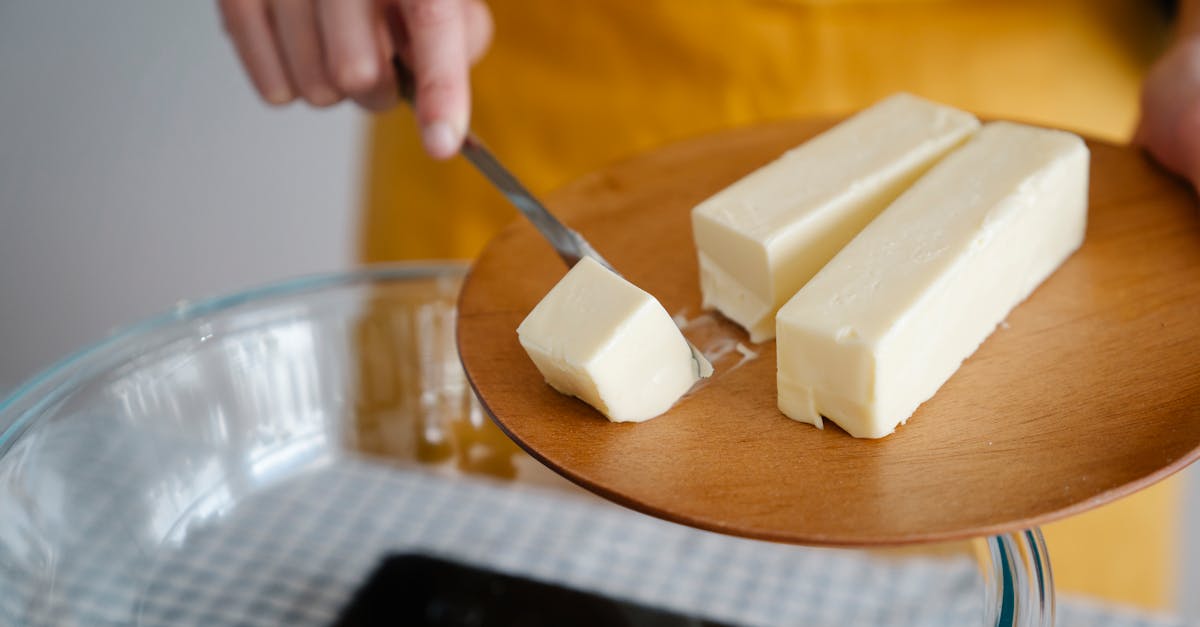
Saturated Fats: Think butter, ghee, coconut oil, lard, and tallow. While often demonized in past dietary guidelines, recent science has largely vindicated many natural saturated fats. Butter and ghee (clarified butter) are excellent for medium-to-high heat cooking. Ghee, in particular, has a very high smoke point (485°F/250°C) because the milk solids (which burn easily) have been removed. Coconut oil, especially virgin coconut oil, is predominantly saturated fat, making it highly stable for cooking up to about 350°F (175°C). For deeper frying or robust searing, animal fats like lard and tallow from pasture-raised animals offer exceptional stability and flavor, with smoke points often exceeding 375°F (190°C). They contain a beneficial mix of saturated and monounsaturated fats.
Monounsaturated Fats (MUFAs): The superstar here is extra virgin olive oil (EVOO). Despite its moderate smoke point, its high MUFA content (predominantly oleic acid) and potent antioxidant profile make it incredibly stable for sautéing, roasting, and even pan-frying. Don’t be afraid to cook with EVOO! Another excellent MUFA-rich option is avocado oil (unrefined, if possible). While refined avocado oil has a higher smoke point, unrefined avocado oil retains more nutrients and is still very stable for most home cooking needs. For example, when I’m roasting vegetables at 400°F (200°C), I consistently reach for EVOO. It adds flavor, stability, and helps create beautifully caramelized edges without any fear of degradation.
When to Use Unrefined Oils and When to Skip Them
Understanding the distinction between unrefined and refined oils is another critical piece of the healthy fat puzzle that many home cooks overlook. The specific scenario dictates your choice.
Unrefined oils (like extra virgin olive oil, virgin coconut oil, unrefined sesame oil) are minimally processed. This means they retain their natural flavors, aromas, and crucially, their beneficial antioxidants, vitamins, and other plant compounds. These compounds are often delicate and degrade with heat. This is why unrefined oils are absolutely fantastic for:
- Dressings and marinades: Their robust flavors shine through and their nutrients are preserved.
- Finishing drizzles: A swirl of high-quality EVOO over a finished soup or pasta adds complexity and a healthy fat boost.
- Low-heat sautéing: Gentle sautéing where the oil doesn’t reach extreme temperatures can work, but watch closely.
Refined oils, on the other hand, have been processed to remove impurities, odors, colors, and often, much of their flavor and nutrients. This refining process typically involves high heat, chemicals, and filtration, which increases their smoke point but depletes beneficial compounds. While I generally recommend minimizing highly refined seed oils, some refined options can have a place for very specific high-heat tasks if you prioritize oxidative stability.
However, the general rule of thumb I follow is: if an oil has a strong flavor and color, it’s likely unrefined and best saved for applications where its delicate compounds won’t be destroyed by high heat. If it’s nearly colorless and flavorless, it’s likely refined. The mistake I see most often is using an expensive, flavorful extra virgin olive oil for deep-frying at screaming-hot temperatures, obliterating its unique qualities and many of its health benefits. Save those precious unrefined oils for where they truly shine and make a difference to both flavor and nutrition.
The Real Culprits: Oxidized Fats and Their Impact
Let’s get into the deeper ‘why’ of avoiding unstable oils. When fats oxidize, they don’t just lose their beneficial properties; they create compounds that are actively detrimental to your health. These oxidized lipids and their byproducts, like aldehydes, can contribute to systemic inflammation, cellular damage, and have been linked to an increased risk of chronic diseases such as heart disease and certain cancers. The hidden cost of routinely cooking with unstable fats is a constant low-level assault on your body’s cells.
For example, multiple studies have demonstrated that cooking with PUFA-rich oils at high temperatures significantly increases the presence of toxic aldehydes in food. One study in the Journal of Agricultural and Food Chemistry showed that a meal cooked with sunflower oil had far higher levels of these harmful compounds compared to the same meal cooked with butter or olive oil. What changed everything for me was understanding that it’s not just about what you put into your body, but how that food is prepared and how the ingredients interact. You could be starting with the freshest, most organic ingredients, but if you’re cooking them in an oil that rapidly oxidizes, you’re inadvertently introducing pro-inflammatory compounds into your meal. This isn’t just theory; it’s a measurable biochemical reality. Choosing stable fats is a proactive step in minimizing this oxidative burden and genuinely enhancing the healthfulness of your home-cooked meals.
Practical Oil Choices for Your Kitchen: A Homecheflabs Guide
Navigating the oil aisle can be overwhelming, but based on the science and my extensive kitchen experience, here’s a simplified approach to stocking your pantry for optimal health and flavor:
Your Everyday High-Heat Workhorse: For most sautéing, roasting, and pan-frying, reach for extra virgin olive oil. Don’t be swayed by myths about its smoke point; its oxidative stability is excellent for nearly all home cooking. Alternatively, ghee (especially for dairy-free needs) or high-quality avocado oil (look for cold-pressed or unrefined) are fantastic, stable choices.
Specialty High-Heat/Deep Frying: If you’re occasionally deep-frying or searing at very high temperatures, consider lard or tallow from pasture-raised animals. Their saturated and monounsaturated fat profiles offer incredible stability and can impart amazing flavor. Refined avocado oil is also an option here, but I generally prefer less processed fats.
Flavor and Finishing: This is where your unrefined oils truly shine. Extra virgin olive oil again takes the lead for dressings, finishing drizzles, and marinades. Explore toasted sesame oil for Asian dishes, walnut oil for salads, or even a high-quality pumpkin seed oil for finishing soups. These are best used raw or in very low-heat applications to preserve their delicate flavors and nutrients.
Avoid or Minimize (Especially for Heat): I strongly recommend minimizing or avoiding highly refined seed oils like canola, corn, soy, sunflower, safflower, and grapeseed oil for cooking, particularly high-heat applications. Their susceptibility to oxidation outweighs any perceived benefits of their high smoke point or ‘lightness.’ If you must use them, reserve them for non-heated applications, though I prefer more nutrient-dense alternatives even then.
Remember, the goal isn’t just to add fat to your food, but to add beneficial fat that enhances both flavor and health. Making these conscious choices will elevate your cooking and ensure that every dish you prepare is truly nourishing.
Frequently Asked Questions
Q: Can I really cook with extra virgin olive oil at high temperatures without it becoming unhealthy?
A: Yes, you absolutely can! Despite common myths, extra virgin olive oil (EVOO) is remarkably stable for most home cooking, including sautéing, roasting, and pan-frying. Its high content of monounsaturated fats and powerful antioxidants protect it from oxidation at typical cooking temperatures. While it has a lower visible smoke point than some highly refined oils, its chemical integrity remains superior, meaning it produces fewer harmful compounds than many ‘high smoke point’ seed oils. Just avoid using it for extremely high-heat applications like deep-frying, where its delicate flavors and some antioxidants might degrade.
Q: What’s the difference between refined and unrefined avocado oil, and which should I use?
A: Unrefined avocado oil is cold-pressed, retaining more nutrients, chlorophyll, and its characteristic green color and slightly buttery flavor. It has a moderate smoke point (around 375°F/190°C) and is excellent for dressings, finishing, or gentle sautéing. Refined avocado oil is processed (often with heat and chemicals) to remove impurities, resulting in a neutral flavor, lighter color, and a much higher smoke point (up to 520°F/270°C). While refined avocado oil is suitable for high-heat cooking due to its high monounsaturated fat content, I generally prefer the less processed, unrefined version for its greater nutrient density whenever possible, or other stable, unrefined options like EVOO or ghee for heat.
Q: Are saturated fats like butter and coconut oil truly healthy for cooking?
A: Yes, in moderation and from quality sources, saturated fats like butter (especially grass-fed) and virgin coconut oil are excellent, stable choices for cooking. Their molecular structure makes them highly resistant to oxidation at cooking temperatures. While past dietary advice broadly condemned saturated fats, current research indicates that the type of fat and the overall dietary context are more important than just the saturated fat content. Ghee, which is clarified butter, is particularly stable due to the removal of milk solids, making it suitable for very high heat. The key is balance and using whole, minimally processed fats.
Q: Why are seed oils like canola or sunflower oil often recommended as ‘heart-healthy’ if they’re unstable?
A: The recommendation for seed oils often stems from their high polyunsaturated fat (PUFA) content, particularly omega-6 fatty acids, which were historically believed to lower LDL (‘bad’) cholesterol. However, this advice often overlooked the crucial issue of oxidative stability. While PUFAs are essential, their susceptibility to oxidation when exposed to heat and light means that cooked seed oils can form harmful compounds that contribute to inflammation and oxidative stress, potentially negating any perceived benefits. My perspective is that while some raw PUFA-rich oils might be okay in moderation, cooking with them at high temperatures is where the problems arise.
Q: What’s the best way to store cooking oils to maintain their quality?
A: Proper storage is critical to prevent oxidation and extend the shelf life of your oils. All oils, especially unrefined ones, should be stored in a cool, dark place, away from direct sunlight and heat. Light and heat are major catalysts for oxidation. Keep bottles tightly capped to minimize exposure to air. For delicate oils like walnut or flaxseed oil, refrigeration is often recommended after opening to further slow down oxidation. Larger bottles should be decanted into smaller, darker containers for daily use to limit exposure for the bulk of the oil.
Understanding the science behind cooking fats isn’t just about avoiding a smoking pan; it’s about making informed choices that profoundly impact the health and flavor of your food. By prioritizing stable saturated and monounsaturated fats for most cooking, and reserving delicate, flavorful unrefined oils for finishing, you’re not just cooking smarter, you’re cooking healthier. The next time you reach for an oil, remember that your choice is one of the most impactful decisions you’ll make for that meal. Start today by swapping out that ubiquitous bottle of ‘vegetable oil’ for a high-quality extra virgin olive oil or ghee, and taste – and feel – the difference.